
Your natural beauty begins with a confident smile.
Giving Your Tooth a Second Chance
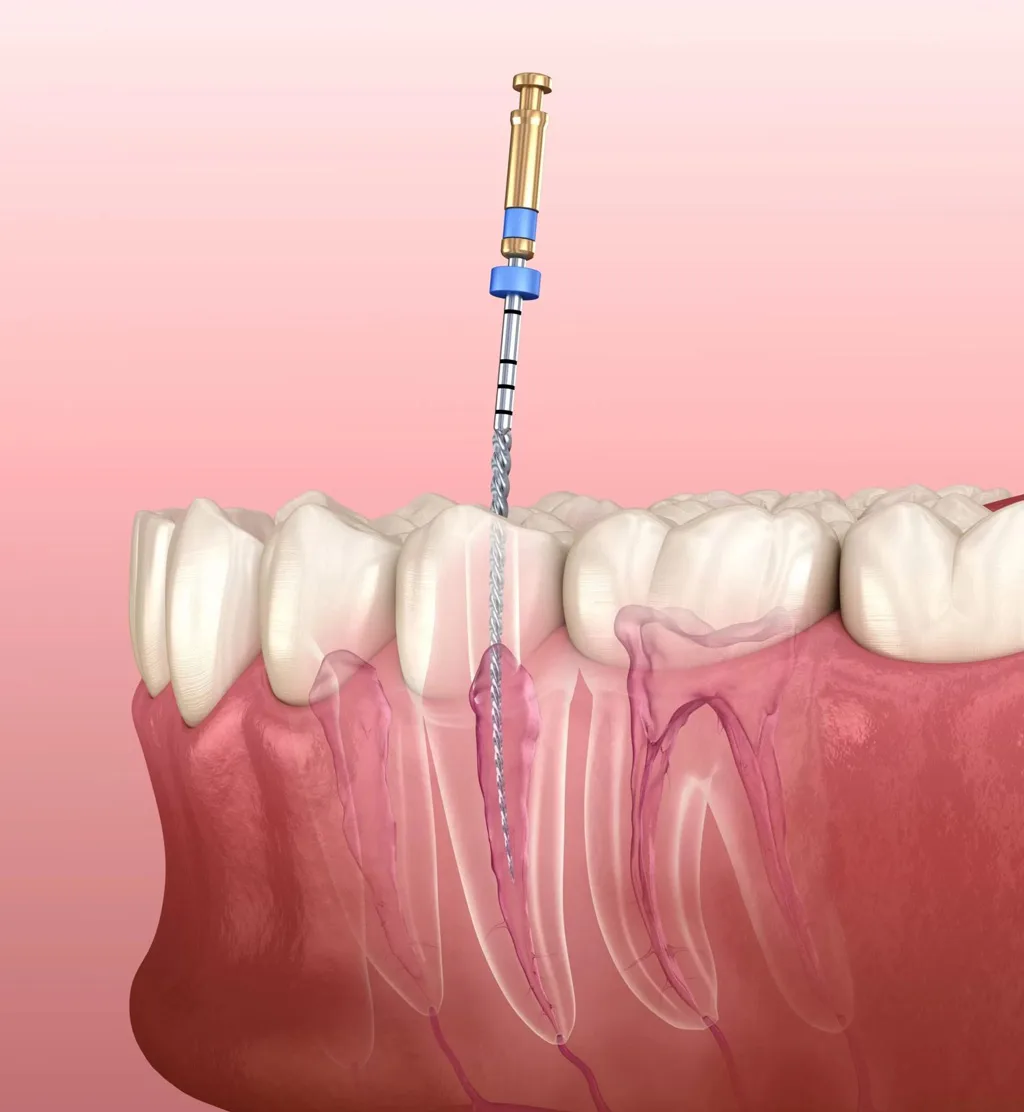
Occasionally, a tooth that was treated years ago may develop a new infection or fail to heal properly due to complex anatomy or seal leakage. This can be frustrating, but it does not always mean the tooth must be removed. Our “Retreatment” service is designed to disassemble the previous work, carefully reclean the root system, and eliminate the new bacteria to save the tooth once more.
This procedure requires a high level of skill to remove old filling materials and identify what caused the initial failure. Our specialists use the dental microscope to locate previously untreated canals or hidden issues. By treating the root system comprehensively this time around, we can often resolve the infection permanently and extend the life of your natural tooth for many more years.
Signs a Treated Tooth Needs Root Canal Retreatment
A root canal treated tooth can become painful or infected again months or even years after the first treatment. Common signs include:
- Pain when biting on a tooth that was treated before
- Swelling, or a pimple-like bump on the gum that may drain
- A dull ache or pressure that keeps coming back in the same spot
- A dark area at the root tip on a routine X-ray, even without pain
Retreatment is not always possible or wise. A vertical root fracture, a crack extending below the gum, or very little remaining tooth usually means extraction. If the canal cannot be reached from inside the tooth, for example because of a well-fitted post that would be risky to remove, endodontic surgery may be considered instead.
How Retreatment Is Done
- Assessment: Digital X-rays and clinical tests to judge the cause and whether the tooth is restorable.
- Anesthesia: Local anesthetic, as for any root canal.
- Re-opening the tooth: Access is made through the existing crown or filling; sometimes the crown or a post must come off.
- Removing old material: The previous root filling is removed, using the dental operating microscope to keep the work precise.
- Searching for the cause: Each canal is examined for missed canals, leakage or cracks.
- Cleaning and medicating: Canals are re-cleaned, disinfected and usually dressed with medication between visits.
- Re-sealing and restoring: New filling material is placed, followed by a crown or filling.
Recovery After Retreatment
Expect some tenderness for a few days, especially when biting. Over-the-counter pain relief usually helps. Keep chewing on the other side, protect the temporary filling, and have the new crown or filling placed as soon as the tooth is ready; delays can let bacteria back in.
Call the clinic for swelling, severe pain that lasts more than a few days, a reaction to medication, or a return of the symptoms that brought you in. Healing of the bone around the root is checked on follow-up X-rays.
Bone healing after retreatment is gradual, so a dark area on the X-ray may take many months to fade even when the tooth feels comfortable. Keep your review appointments and regular check-ups, and have any new decay or a loose crown on that tooth fixed early, since leakage around a restoration is a common reason a treated tooth becomes reinfected.
What Affects Your Plan and How Long Results Last
The plan and fee depend on what has to be removed (a crown, a post, the old root filling), how many canals are involved, whether there is a missed canal or a blockage, and what restoration the tooth needs afterwards.
Results vary with the cause of failure. In one long-term study of 241 non-surgical retreatments followed for a median of more than nine years, more than 64% showed radiographic healing, and tooth survival was described as favorable. A tooth with a crack or very thin walls has a weaker outlook than one where a missed canal is found and treated.
Retreatment, Surgery or Extraction
Retreatment works from inside the tooth and addresses the whole canal system. Endodontic surgery (apicoectomy) treats the root tip through the gum and is usually chosen when infection persists after a well-done root canal or when the canal cannot be re-entered safely. Extraction with an implant or bridge is the choice when the tooth cannot be restored. We will discuss which fits your tooth and why.
Who Provides This Treatment
Root canal retreatment at Mankhool Dental Clinic is carried out by Dr. Madhu Mathews, Specialist Endodontist and clinical lead. He trained at Manipal College of Dental Sciences (BDS 1992, MDS 1997) and focuses on microscopic endodontics, which suits the careful removal of old root fillings and the search for missed canals. He will assess why the first treatment failed and whether the tooth can be saved.
Why Choose Mankhool Dental Clinic ?
Second Chance Expertise
We specialize in saving teeth that have failed previous treatments.Disassembly Skills
We safely remove old crowns, posts, and filling materials.Microscopic Inspection
We find the hidden canal or crack that caused the first failure.Infection Control
We use advanced irrigation protocols to eliminate resistant bacteria.Honest Prognosis
We will tell you truthfully if the tooth is worth saving or if an implant is better.Cost-Effective
Retreatment is often cheaper than extracting and placing an implant.Other Treatments We Offer
Root Canal Treatment
Root Canal Treatment Under Microscope
Complex Root Canal Treatments
Non surgical root canal treatments
Revascularization and regenerative therapy
My root canal was surprisingly comfortable. Pain disappeared instantly, and the team was extremely gentle.
Excellent endodontic care. They saved my tooth and made the whole process stress-free.


Frequently Asked Questions
Why did my first root canal fail?
Is retreatment harder?
Is it painful?
Will I need a new crown?
What is the success rate?
How long does it take?
Why choose us as your dental services provider?
Our office is equipped with the latest equipment and technology to bring a high level of excellence to the care we provide. You’ll feel right at home thanks to our friendly team and service-minded approach.
Dr. Madhu Mathews
At Mankhool Dental Clinic, we blend advanced expertise with genuine care to transform your dental visits into empowering experiences. Choose us for smiles that last.
Ready to Book Your Appointment?
Contact us today to schedule your visit and take the first step toward a healthier smile.
